

Calabria & Basilicata
From rugged coastlines to ancient towns, Calabria and Basilicata reveal a side of Italy untouched by mass tourism.


Why Calabria & Basilicata Feel So Different
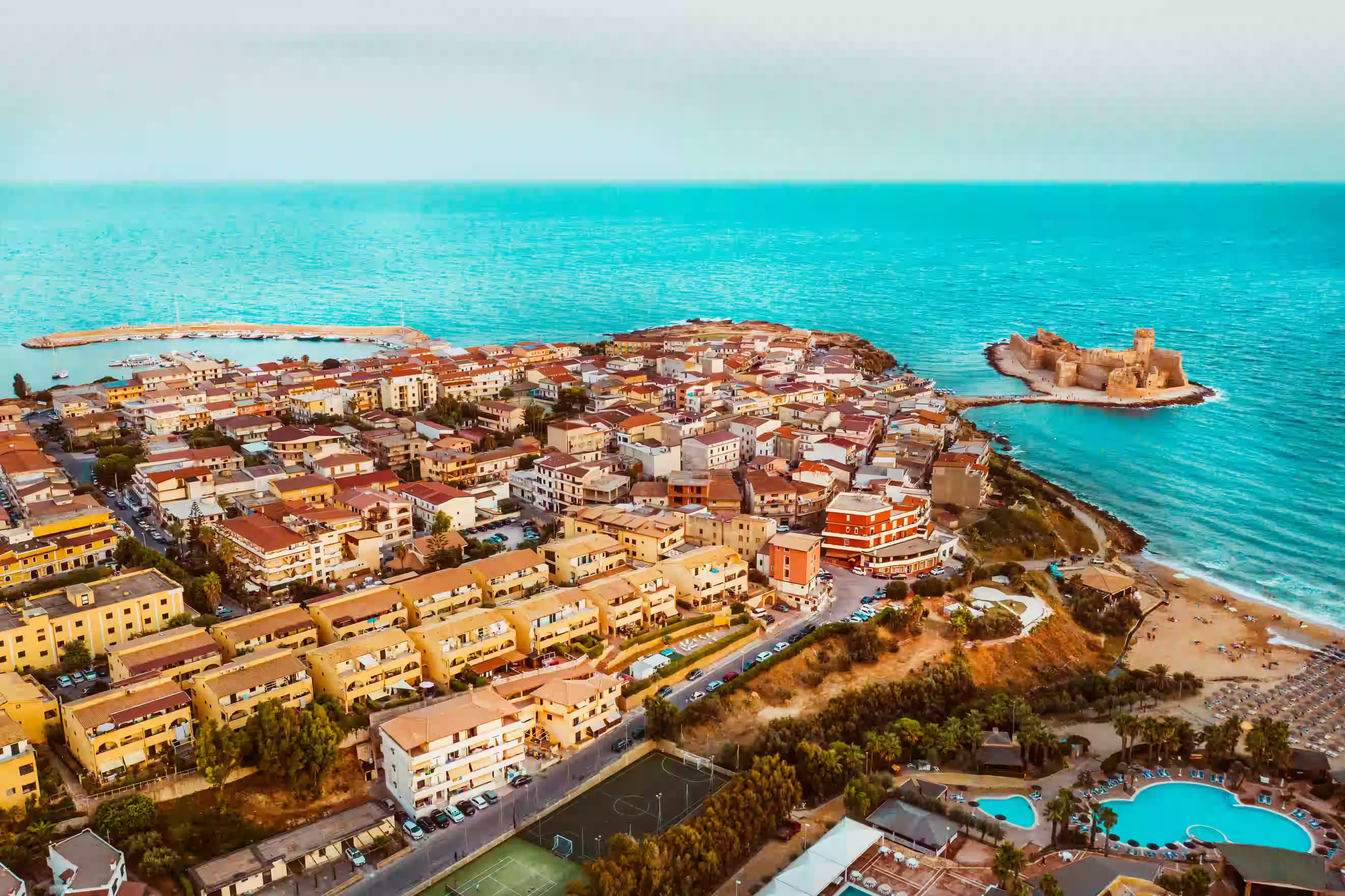
Calabria and Basilicata are regions where time seems to stand still. In Calabria, unspoiled beaches stretch for miles along the Ionian and Tyrrhenian coasts, framed by dramatic mountains and rustic fishing villages. Basilicata, meanwhile, is defined by its rugged countryside and the cave city of Matera, one of Italy’s most extraordinary UNESCO World Heritage sites. Both regions promise a slower pace of life, warm hospitality, and a deep connection to traditions. For travellers seeking a less-discovered Italy rich in authenticity, these regions offer an unforgettable journey off the beaten path.
From Clifftop Towns to National Parks
Calabria’s Tropea is a jewel perched above turquoise seas, its old town spilling down to pristine sandy beaches. Basilicata’s Matera enchants visitors with its ancient cave dwellings, once homes carved into stone, now transformed into stylish hotels and restaurants. For nature lovers, Pollino National Park — Italy’s largest — stretches across both regions, offering dramatic landscapes, hiking trails, and rare wildlife. These destinations showcase the diversity of southern Italy, where historic charm meets wild, unspoiled nature, creating the perfect setting for exploration and discovery.
Where Tradition & Flavour Thrive
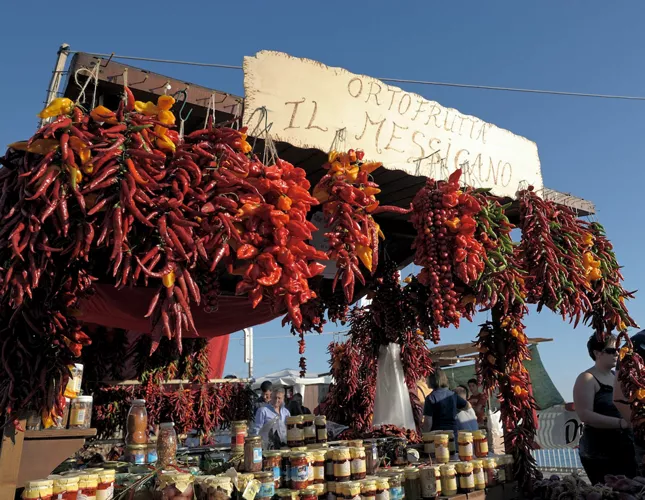
Calabria and Basilicata are steeped in cultural traditions that remain proudly preserved. Festivals fill town squares with music, dance, and food, reflecting centuries of history and community spirit. Visitors can explore ancient Greek and Roman ruins, medieval castles, and vibrant local markets. Culinary highlights include Calabria’s famous ‘nduja (a spicy spreadable salami), handmade pastas, and Basilicata’s rustic breads and cheeses. Together, these regions offer a culinary and cultural journey rooted in authenticity, where every dish, festival, and historic site tells a story of resilience and heritage.
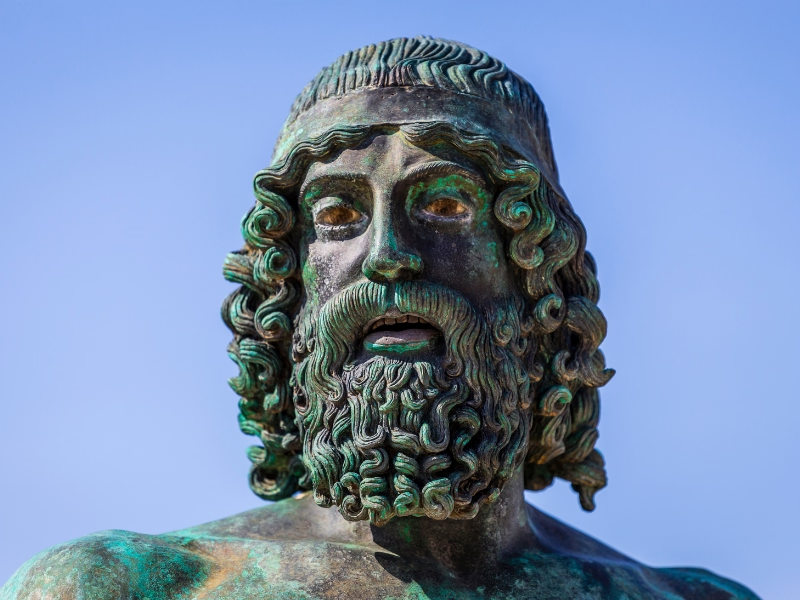
A deep-dive guided tour of the National Museum of Reggio Calabria to see the famous statues.
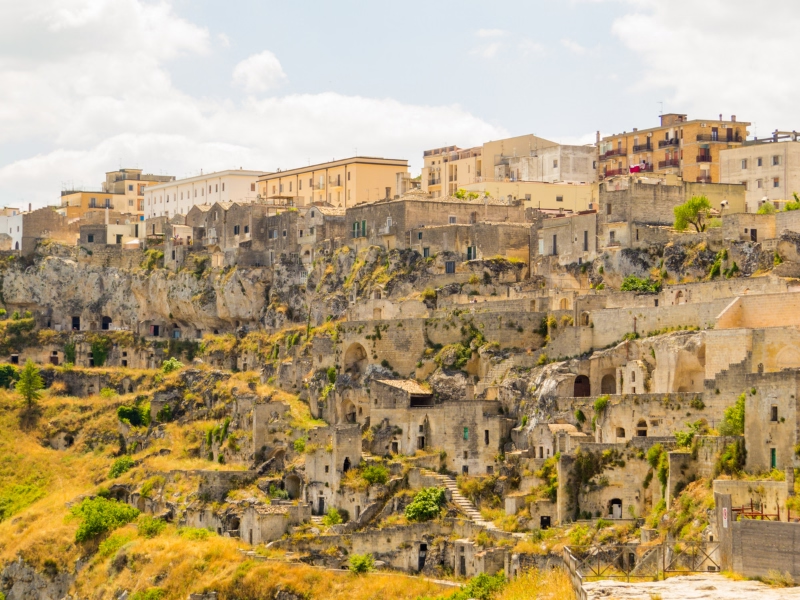
A private tour of the Sassi districts, exploring cave dwellings and rupestrian churches.
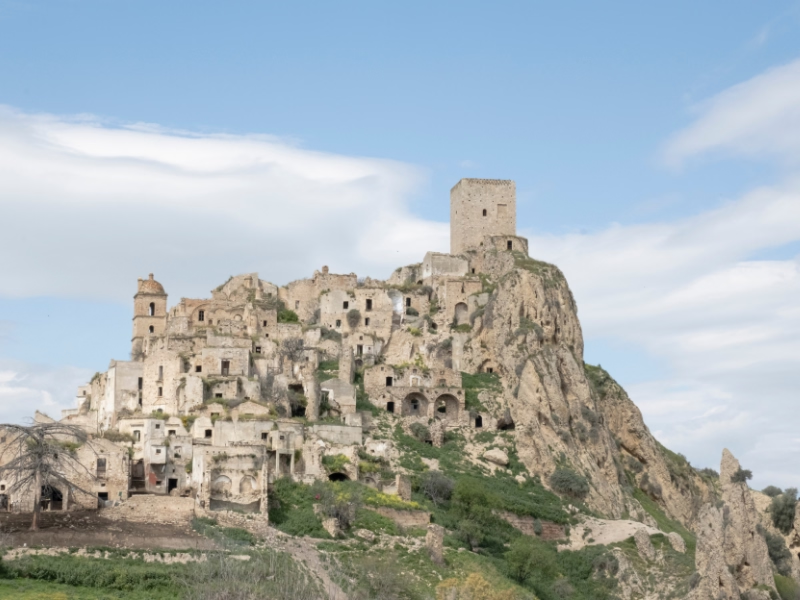
A quiet afternoon wandering the abandoned, hauntingly beautiful streets of Craco.
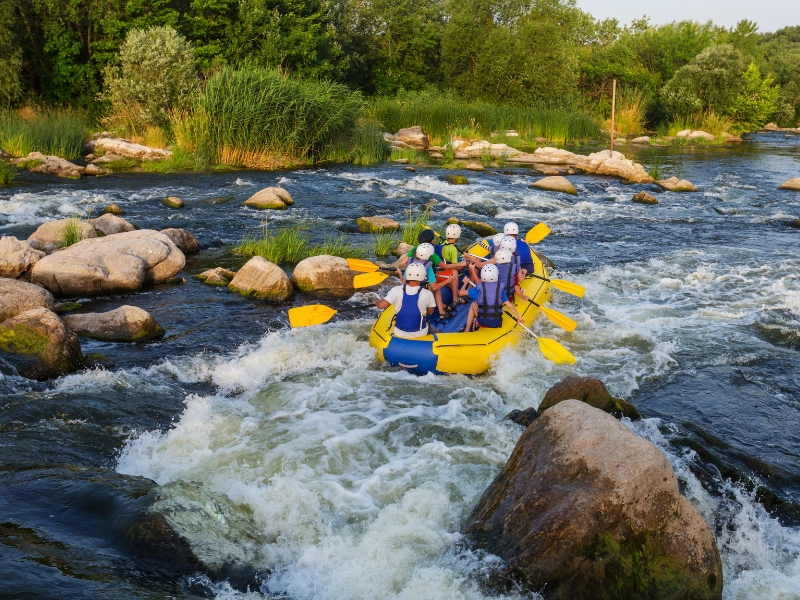
A soft adventure rafting trip through the Lao River Gorges in the National Park.
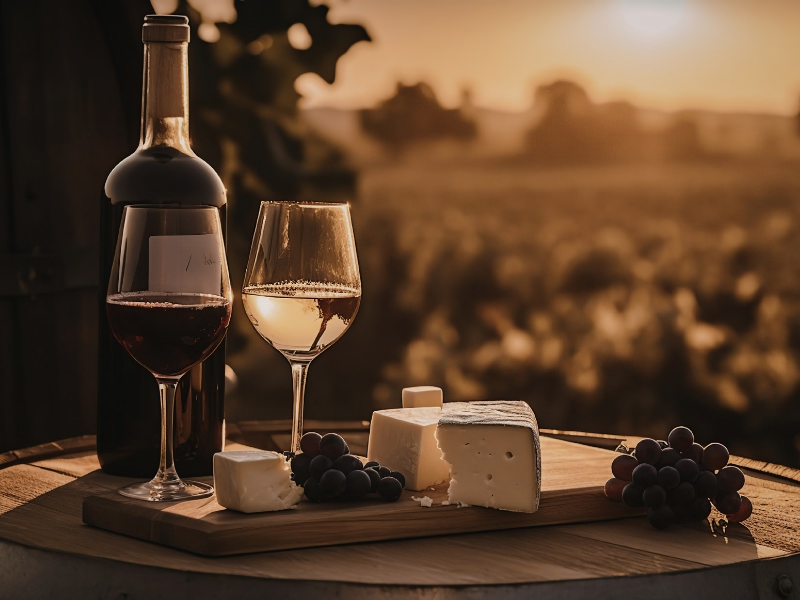
A day at a Vulture vineyard, tasting "The Barolo of the South."
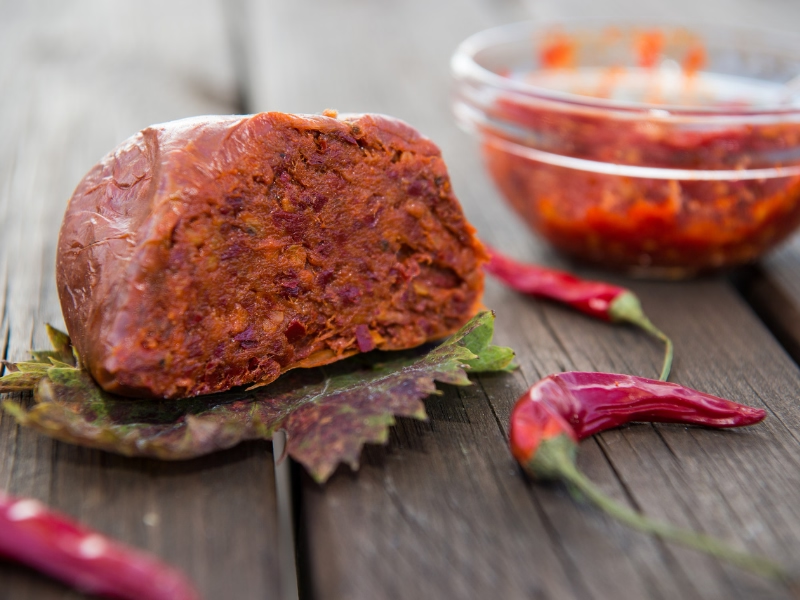
A visit to a Spilinga artisan to learn how Calabria’s famous spicy spreadable salami is made.

Sextantio Le Grotte della Civita is a unique cave hotel in Matera, offering atmospheric rooms and an authentic stay within a UNESCO World Heritage setting.

Relais Masseria Cardillo is a charming countryside hotel in Metaponto, offering an infinity pool, tennis court, and a peaceful setting close to the coast.
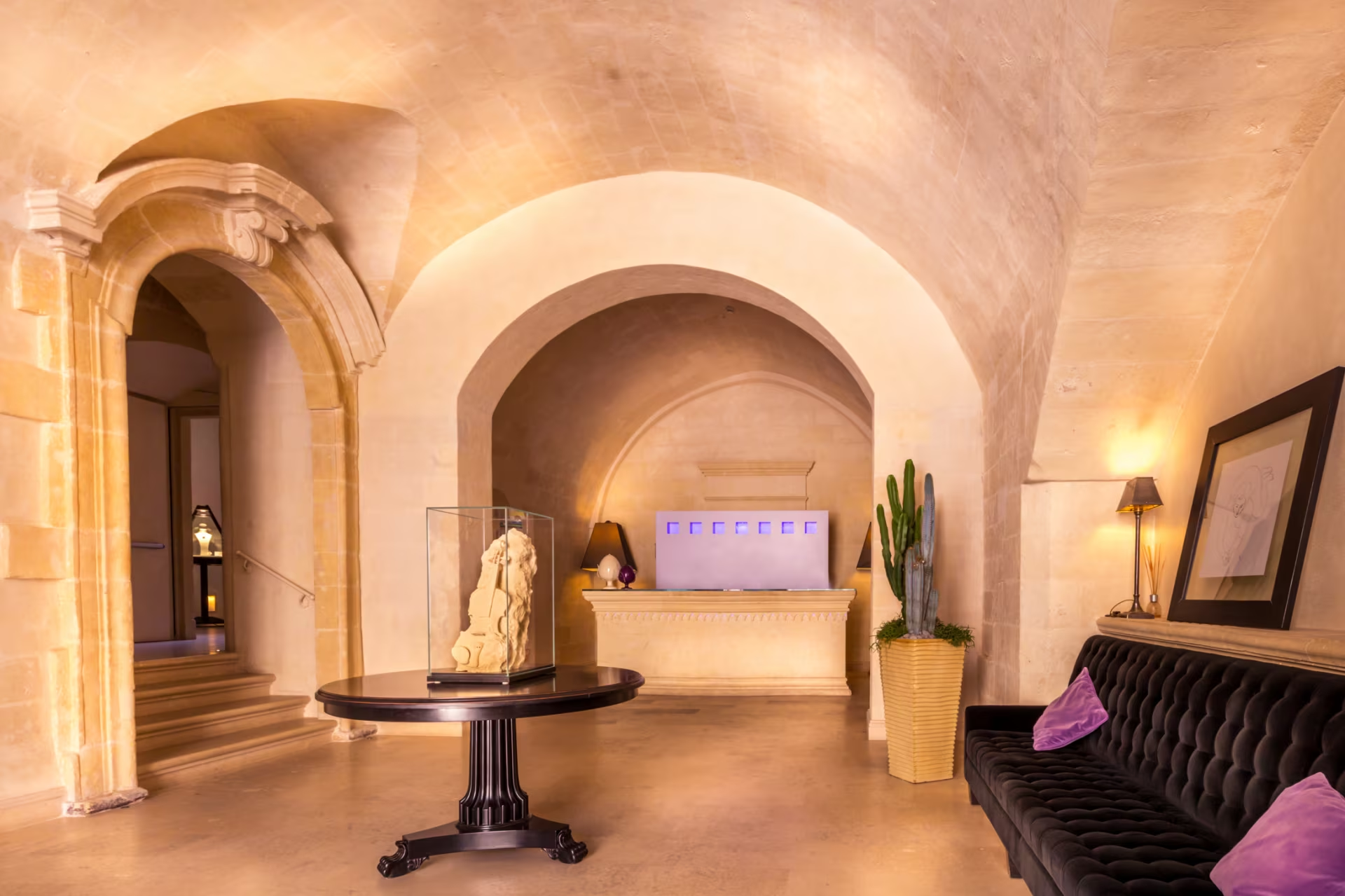
Palazzo Gattini is a luxury boutique hotel in Matera, offering elegant rooms, a spa, and panoramic views over the UNESCO-listed Sassi districts.

Locanda di San Martino is a cave hotel in Matera, offering a spa within ancient rock dwellings and an authentic stay in a UNESCO-listed setting.

L’Hotel In Pietra is a unique cave hotel in Matera, offering historic stone rooms and an authentic stay within a UNESCO-listed setting.
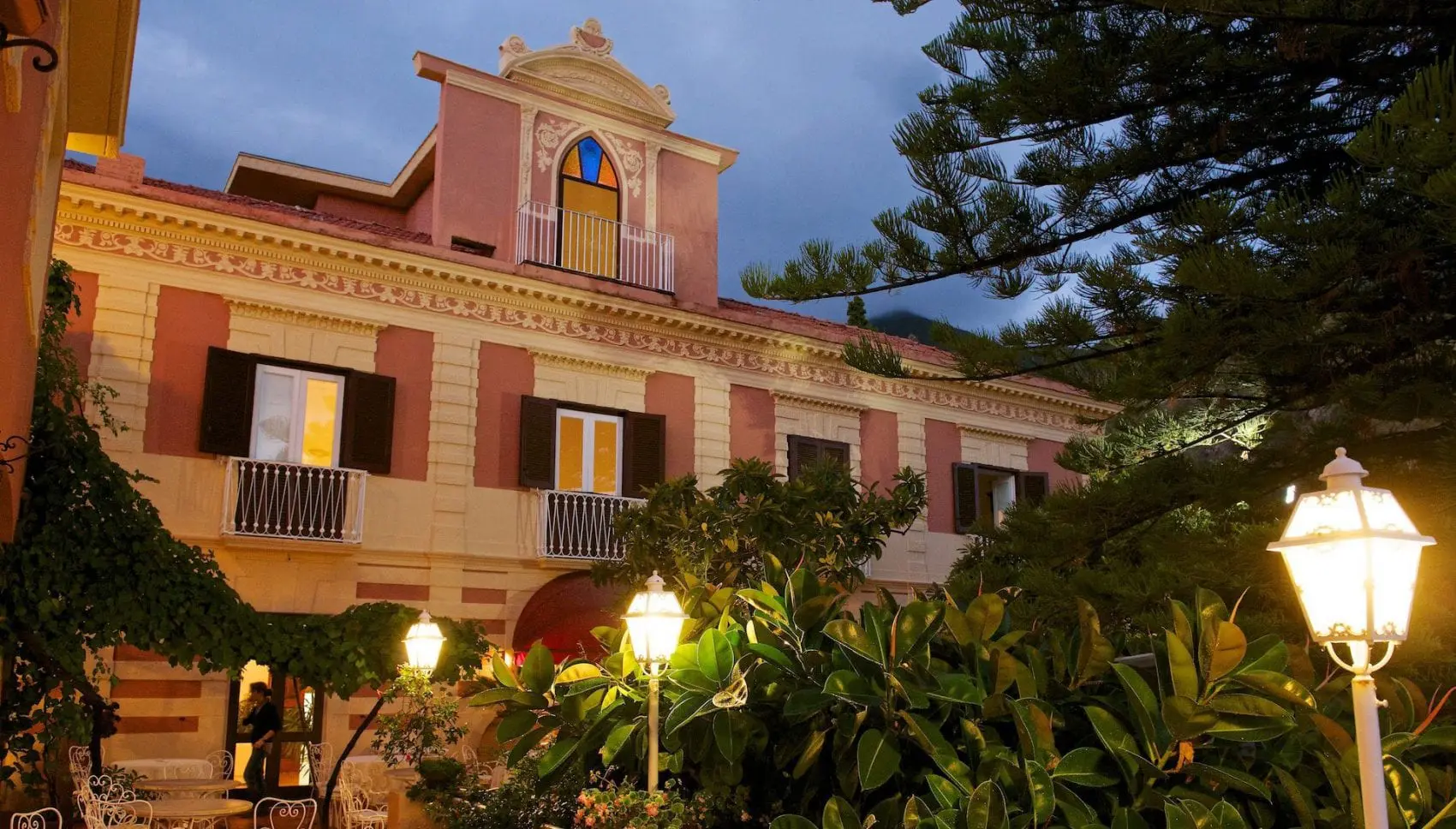
Hotel Villa Cheta is a boutique hotel in Maratea, offering sea views, a pool, and a peaceful setting along the Tyrrhenian coast.

Agriturismo Le Carolee is a countryside retreat in Calabria, offering rustic rooms, local cuisine, and a peaceful setting surrounded by olive groves.
Itineraries

Custom-made / Private
In Southern Italy, you can find a treasure trove of amazing historic and cultural sites, some of which form part of the UNESCO World Heritage list which encourages the preservation of these unique and timeless treasures.The regions of Puglia and Basilicata in southern Italy, may not be as well known as some of the country's other attractions, but this beautiful peninsula, otherwise known as Italy's 'heel' is full of fascinating sights. It is a great destination for those wishing to avoid the crowds and enjoy a more authentic experience. Amongst the Italian Heritage list and the 51 Unesco World Heritage Sites which are located in Italy, two listed sites are located in Puglia and another one is in the neighbouring region of Basilicata.Castel del Monte: A magnificent Defence castle built by the Emperor Frederick II in the 13th century. Castel Del Monte is a symbol of medieval military architecture and it is perfectly preserved, standing proudly on the hills of Andria. Universally considered an example of genius in medieval architecture, Castel del Monte actually unites elements of diverse styles and traditions from different epochs in history. Visitors can see this in the Romanic lines of the lions at the Castle's entrance, in the Gothic cornice of the towers, in the Classical movement of its interior frieze, in the defensive grandeur of the structure in general and in the Islamic refinement of its mosaics.
The Trulli of Alberobello: The site of the trulli, the characteristic cone-roofed houses of Alberobello, Apulia, is one of the 51 UNESCO World Heritage Sites in Italy. The name derives from the late Greek word for the dome and refers to the ancient stone houses with conical roofs, constructed with the abundant limestone from the plateau of Apulia's Murge zone.These impressive and unique structures, largely present in the Valley of Itria, can also be found in the Provinces of Brindisi, Bari and Taranto. They are a fascinating example of architecture that is spontaneous, yet imperishable; to this day they are still used as homes.
Alberobello, an inland village,is undoubtedly the Capital of the Trulli: Thesse iconic white structures are integral to its historic centre which is what makes it so famous and easily identifiable.The Sassi and the Park of the Rupestrian Churches of Matera:Located in the southern Italian region of Basilicata, bordering Puglia, The Sassi and the Park of the Rupestrian Churches of Matera comprises a complex of houses, churches, monasteries and hermitages built into the natural caves of the Murgia. Covering an area of 1,016 hectares this remarkable and intact troglodyte settlement contains more than a thousand dwellings and a large number of shops and workshops. The property was first occupied during the Palaeolithic period and shows evidence of continuous human occupation through several millennia until the present day. It is harmoniously integrated into the natural terrain and ecosystem.
What Our Guests Say
Ready to Plan Your Italian Holiday?
Speak with an Italy specialist today and start designing your tailor-made trip.